
Utah State is a Carnegie-recognized R1 institution and was named one of the best undergraduate research programs in the nation by the Council for Undergraduate Research in 2021. These designations show that USU is a national leader in research and both graduate and undergraduate education.
News and Events
Find more Research News at USU Today.
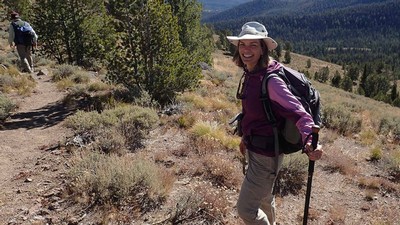
Sara Goeking (pictured), along with co-author and faculty mentor David Tarboton, received the prestigious 2022 Editors' Choice Award from the American Geophysical Union journal Water Resources Research.

Bruce Bugbee and Lance Seefeldt are principal investigators for a multi-institution, NASA-funded team awarded a prestigious honor for foundational research efforts toward sustaining human exploration on Mars.
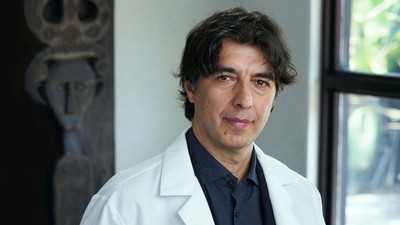
University of Southern California biochemist Valter Longo explores these questions, along with questions about the fundamental mechanisms of aging. He presents “Fasting Mimicking Diets: Longevity and Disease,” in a Wednesday, April 24 virtual seminar, as featured speaker for the 2024 R. Gaurth Hansen Seminar series.
Research Divisions


