
Utah State is a Carnegie-recognized R1 institution and was named one of the best undergraduate research programs in the nation by the Council for Undergraduate Research in 2021. These designations show that USU is a national leader in research and both graduate and undergraduate education.
News and Events
Find more Research News at USU Today.
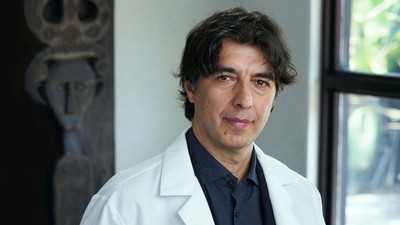
University of Southern California biochemist Valter Longo explores these questions, along with questions about the fundamental mechanisms of aging. He presents “Fasting Mimicking Diets: Longevity and Disease,” in a Wednesday, April 24 virtual seminar, as featured speaker for the 2024 R. Gaurth Hansen Seminar series.

Researchers from the Utah State University Utah Women & Leadership Project (UWLP) conducted a statewide study in the fall of 2023 to establish a baseline of public perceptions of awareness, understanding and attitudes regarding the challenges Utah women and girls face. The survey focused on five areas: education, community engagement, safety and security, health and well-being, and the workplace.
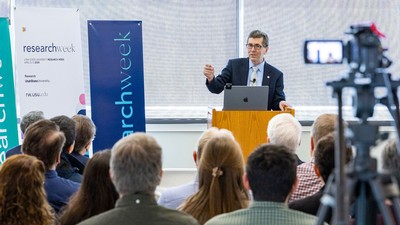
David Tarboton spoke on the importance of properly organizing and sharing research data at the annual D. Wynne Thorne Lecture on April 8. The lecture, part of Utah State University’s Research Week, recognizes the previous year’s recipient of the D. Wynne Thorne Career Research Award. It is the most prestigious research recognition awarded by USU.
Research Divisions


